
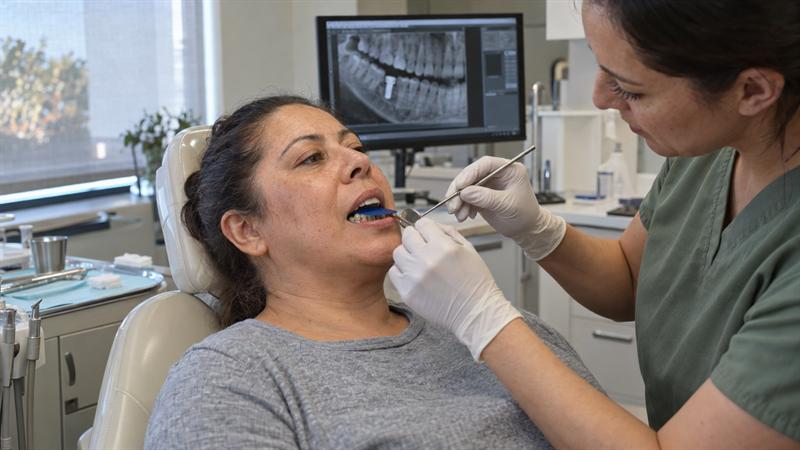
For many patients, the hardest part is not understanding what an implant is. It is figuring out whether an implant makes sense now, whether another option fits better, and what may happen if treatment is delayed. At Westways Dental, that is often where the real decision starts.
People looking into dental implants in West Valley City are usually dealing with one of a few situations: a recently lost tooth, a damaged tooth that may not be savable, or an older gap that has started affecting chewing and comfort. Many people wait until the problem feels harder to ignore. By then, options may be narrower and planning may be more complex.
When Dental Implants May Be Worth Considering
Dental implants are often worth considering when the goal is to replace a missing tooth with something fixed and stable. That may include a single missing tooth, several missing teeth, a tooth removed because of damage or decay, or frustration with a removable option that no longer feels dependable.
Replacing a missing tooth is not only about appearance. Once a gap is left open, chewing can shift to other areas, bite pressure can change, and nearby teeth may start taking on more force. The longer the space is ignored, the more likely the replacement decision becomes about function and support, not just filling a gap.
That is especially true with older missing teeth. Patients may come in thinking the main issue is cosmetic, but the bigger concern may be how the rest of the mouth has adapted around the space. That can mean more planning than if the tooth had been addressed earlier.
For readers comparing replacement options more broadly, the dental services offered in West Valley City can help show where implants fit within restorative care.
How Dental Implants Work
A dental implant replaces the root area of a missing tooth and supports the visible restoration above it. That makes it different from options that only fill the space above the gums. The goal is not just to cover the gap, but to rebuild support in a way that works with the rest of the mouth.
The Implant Post, Connector, and Final Restoration
A dental implant usually has three parts: the implant post placed in the jaw, the connector that joins the pieces, and the final restoration such as a crown. Each part plays a different role. The post provides support, the connector links the parts together, and the final restoration restores the look and function of the tooth.
The final restoration can vary depending on how many teeth are being replaced. A single missing tooth is planned differently than a case involving multiple missing teeth. That matters because treatment should be built around the problem being solved, not around a one-size-fits-all procedure.
Why the Jawbone Matters
The jawbone matters because it supports the implant. When a tooth has been missing for a while, that support can change. This may affect planning, timing, and whether additional treatment is needed before the final replacement is placed.
A common misconception is that a missing tooth can be replaced the same way no matter how long ago it was lost. In reality, a recently lost tooth and a long-missing tooth often lead to different treatment conversations. That is one reason a simple online description of implants rarely answers the real question a patient is asking.
Who May Be a Good Candidate for Dental Implants
A good candidate for dental implants is not defined by the gap alone. The decision usually comes down to gum health, bone support, overall oral condition, bite, spacing, and how the mouth is likely to handle the restoration over time.
This is a major point many basic implant pages skip over. Implant candidacy is really about whether the mouth can support the treatment in a predictable way. If you are seeing a missing tooth, difficulty chewing in that area, or changes in how your teeth come together, the replacement decision may need to be based on structure and function, not appearance alone.
- Healthy gums help support long-term stability.
- Bone support affects how the implant can be planned.
- Bite pressure and spacing influence how the final tooth replacement will function.
- Other untreated dental problems may need to be addressed first.
Oral Health, Bone Support, and Healing Factors
Healthy gums matter because implants rely on a healthy environment. If the surrounding tissues are inflamed or compromised, the issue is bigger than the missing tooth itself. That often means improving the condition of the mouth before moving forward with the final replacement.
Bone support matters for the same reason. The mouth needs enough support in the right area for the implant to be planned properly. A recently lost tooth may present one path. A tooth that has been missing for years often creates a different path because the site may have already changed.
When Another Treatment May Be Recommended First
Sometimes implants are not the first step. If there is infection, inflammation, a damaged tooth that still needs full evaluation, or other restorative issues affecting the plan, those problems may need to be addressed before implant treatment moves forward.
This is where good planning matters most. A rushed decision can create more problems later. The better approach is to understand the sequence clearly, so the final replacement fits the condition of the mouth instead of forcing the mouth to adapt to the plan.
If any of these sound familiar, it may be time to schedule an evaluation:
- A tooth was recently lost or removed and the area still feels unstable
- Chewing has shifted to one side because of a gap
- A damaged tooth may not be restorable
- An older missing tooth has started affecting nearby teeth or bite comfort
When these signs are present, it is usually worth having the area checked sooner rather than later.
Dental Implants vs Bridges vs Dentures
Dental implants are often considered one of the more fixed and stable options, but they are not automatically the right answer for every patient. Bridges and dentures still make sense in some situations. The better question is which option best fits the condition of the mouth, the number of teeth involved, the timeline, and the treatment goal.
This is where the decision usually becomes clearer. If the priority is a fixed replacement for one missing tooth, an implant is often a strong long-term option. If the situation involves broader tooth loss, a tighter timeline, or other conditions that change the plan, another option may be more practical.
When a Single Implant May Make Sense
A single implant often makes sense when one tooth is missing and the goal is to replace it without depending on neighboring teeth for support. That matters because the solution stays focused on the missing tooth itself rather than turning the replacement into a larger restoration than needed.
This is something many patients do not realize at first. They assume every replacement option solves the same problem in the same way. In reality, the support method changes the whole treatment decision.
When Other Replacement Options May Be More Practical
A bridge or denture may be more practical when several teeth are involved, when treatment priorities are different, or when the current oral condition changes what is realistic in the short term. That does not make implants a poor option. It means the treatment should fit the situation in front of the dentist.
What often goes wrong is choosing based on the broadest promise instead of the actual condition of the mouth. That can lead to frustration later when the plan becomes more involved than expected.
Patients looking for a better sense of the office and patient experience can review Westways Dental reviews while comparing treatment options.
What the Dental Implant Process Usually Involves
The dental implant process usually includes an exam, treatment planning, placement, healing, and the final restoration. The timeline depends on the starting point. A straightforward single-tooth case is different from a case that includes other dental needs first.
Consultation and Treatment Planning
The first step is understanding the current condition of the mouth. That usually includes looking at the missing area, the surrounding teeth, the bite, and the support available for treatment. The point of the consultation is not just to confirm that an implant is possible. It is to decide whether it is the right option and what needs to happen first.
This is where patterns become clear. If a tooth has been missing for a long time, if chewing has shifted, or if nearby teeth have taken on extra stress, the treatment conversation usually becomes more detailed. That is why planning matters before a final recommendation is made.
Placement, Healing, and Final Restoration
Once the plan is set, the implant is placed and then allowed to heal before the final restoration is completed. Healing is part of the treatment, not a delay in treatment. It allows the site to stabilize before the final tooth replacement is completed.
Patients sometimes expect the process to be only about placement day. In practice, the result depends just as much on what happens before and after that step. This is where unrealistic expectations can create confusion.
What Affects Dental Implant Cost
Dental implant cost is shaped by the scope of treatment, not by one flat number. The number of teeth being replaced, the type of final restoration, the complexity of the case, and whether other treatment is needed first all affect the total picture.
This is why generic online price ranges usually create more confusion than clarity. They leave out the part that matters most: what has to be done in your mouth, in that area, and in what sequence.
Number of Teeth Being Replaced
One missing tooth, several missing teeth, and larger restorative needs are not priced or planned the same way. The treatment design changes with the size of the problem. That is a major reason broad estimates tend to miss the mark.
Whether Additional Treatment Is Needed First
If the mouth needs other treatment before implant placement, that affects timing and total cost. This often includes the kind of issues patients do not factor in when they are only looking at advertised starting prices. The starting point matters because it determines what has to happen before the replacement is complete.
Why a Personalized Exam Matters More Than Generic Price Ranges
A personalized exam matters more than a generic price range because cost only makes sense when tied to an actual plan. Otherwise, the number is disconnected from the problem. That is where expectations often go wrong.
For patients trying to move from research to action, the appointment request page is a direct way to start with an actual evaluation instead of a generic estimate.
Questions to Ask at an Implant Consultation
A strong implant consultation should answer the questions that change the decision, not just confirm that implants are available. The most useful questions are the ones that clarify fit, timing, sequence, and alternatives.
- Am I a candidate for implants now, based on the condition of my mouth?
- Are there other treatment options that make more sense in my case?
- What steps need to happen first?
- What is likely to affect the timeline?
- How should the final restoration be maintained over time?
These questions matter because they show whether the recommendation is based on real planning or just a broad treatment category. A clear answer should connect the recommendation to what is happening in the mouth now.
Getting Dental Implant Care in West Valley City
In West Valley City, prompt evaluation matters when a tooth has been lost, removed, or damaged beyond repair. Waiting can make the conversation more complex, especially when chewing has already changed or when the gap has been there long enough for the rest of the mouth to adapt around it.
At Westways Dental, practical factors matter too. Same-day appointment availability can help when a tooth issue needs prompt evaluation, and clear communication matters when patients are comparing implants with other options. For many families, being able to understand the plan clearly in English or Spanish can make the next step easier to follow.
Key Takeaways
- Dental implants are often considered a stable option for replacing a missing tooth, but candidacy depends on support, gum health, bite, and timing.
- Leaving a missing tooth untreated can lead to shifting, bite changes, and a more involved treatment decision later.
- Bridges and dentures still have a place, but the best option depends on the condition of the mouth and the treatment goal.
- Cost is shaped by treatment scope, not by a generic number found online.
- The real decision starts with understanding what is happening in the mouth now.
Conclusion
The real problem is not simply having a missing tooth. The real problem is what can start happening after that tooth is gone. Chewing patterns can change, nearby teeth may take on more stress, and treatment can become more involved when the issue is left unaddressed for too long.
Westways Dental is a practical next step for patients in West Valley City who want a clear answer about implants, bridges, dentures, or what may need to happen first. If a tooth has been lost, removed, or damaged and the next move is still unclear, this is a good time to get it evaluated before the options become narrower and the case becomes harder to restore.
FAQ Block
How do I know if I am a good candidate for dental implants?
A good candidate is usually determined by gum health, bone support, bite, spacing, and the overall condition of the mouth. The missing tooth alone does not decide it. A patient with a recently lost tooth often has a different planning path than someone with a long-standing gap, because the support in that area may change over time.
What is the difference between a dental implant and a bridge?
A dental implant replaces the missing tooth using support in the jaw, while a bridge fills the gap by relying on neighboring teeth for support. That difference matters most in single-tooth cases. If preserving nearby teeth is an important part of the decision, an implant is often considered the more direct option.
How long does the dental implant process usually take?
The process usually includes evaluation, planning, placement, healing, and the final restoration. The timeline changes based on the starting condition of the mouth. A recent tooth loss and a long-missing tooth do not follow the same path, which is why the planning stage matters as much as the placement itself.
What affects the cost of dental implants?
Cost is usually shaped by the number of teeth involved, the type of final restoration, the complexity of the case, and whether other treatment is needed first. That is why a broad online number is rarely useful. What matters is the full scope of care required to complete the treatment properly.
Can dental implants replace one tooth or several teeth?
Yes. Implants can support a single missing tooth, several missing teeth, or a broader restorative plan. The type of restoration changes depending on the replacement need, which is why the design for one tooth is different from the design for multiple missing teeth.
Should I replace a missing tooth right away?
Prompt evaluation is usually the better move because the area can change after tooth loss. Once chewing shifts and nearby teeth begin adapting to the gap, the replacement decision can become more complicated. The goal is not to rush into treatment. It is to avoid the added problems that can come with waiting too long.