
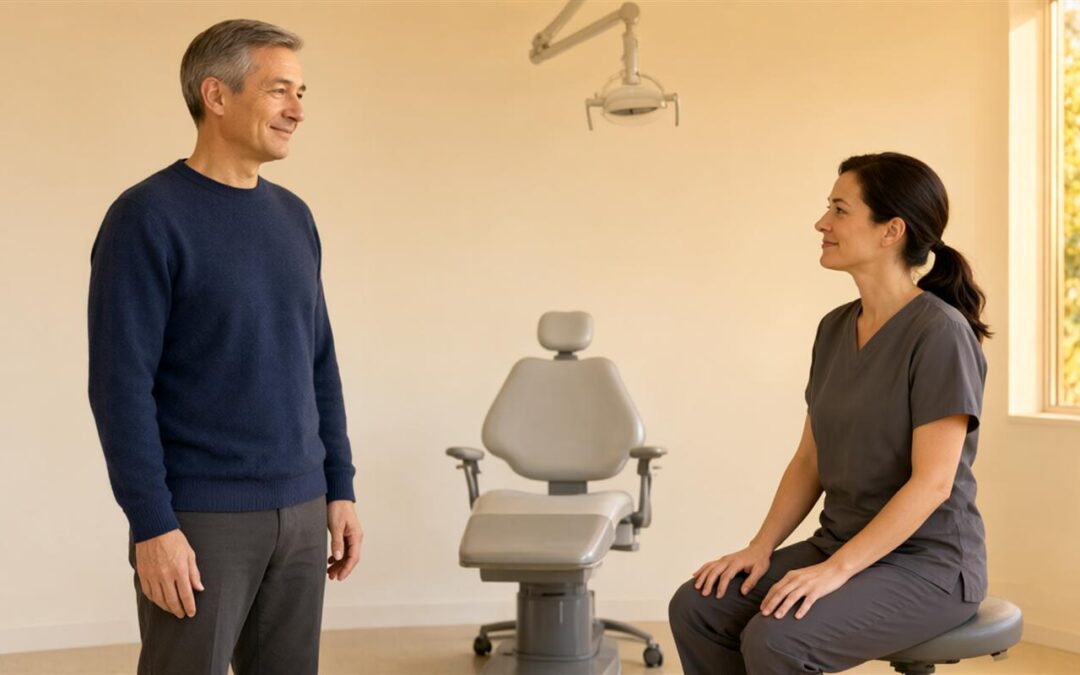
Learning that a root canal West Valley City dentists recommend is part of the plan can arrive as a surprise, especially when the tooth has not been causing trouble. Before any appointment is set for treatment, there is usually a conversation: a consultation where the dental team looks at the tooth, listens to what you have noticed, and explains what the choices are. That visit is the subject here — not the procedure itself, but the step that comes before it, and the information that makes the step easier to take.
Why the Conversation Comes Before the Treatment
A consultation exists because a tooth is not one object with one obvious answer. Two teeth with similar symptoms can call for different plans depending on what has already been restored, what the gums are doing, and what you are able to take on in terms of time and cost. The appointment is where that picture gets assembled, with you in the room rather than reading a printout afterward.
The office keeps a separate page on root canal treatment for patients with dental pain, and it covers the clinical side in more depth than this article will. What follows stays on the appointment: how it is arranged, what the team reviews, which questions are worth bringing, and what a first visit can and cannot settle. If it has been a while since the last check-up, the guide to what a routine cleaning and exam involves covers the visit that tends to come first.
What a Root Canal Consultation Is Meant to Answer
The visit is built around a few practical questions. Does this tooth need treatment now, or is something else producing the symptom? What would preserving it involve, and what would replacing it involve? And what does the schedule look like from here — one longer visit, two shorter ones, a referral, or a review in a few months with a decision held open?
None of those answers is settled in advance. A consultation gathers the evidence that makes an answer possible, which is a different job from delivering one at the front desk. Expect the conversation to move between what you have noticed, what the records show, and what the dentist can see, and expect a few points to stay open until the tooth has been examined closely.
What the Dental Team Reviews
History comes first: what brought you in, when it started, whether anything makes it better or worse, and what dental work the tooth has already had. Records from earlier visits matter here, because a tooth that has been restored before behaves differently from one that has not. The exam that follows is the same kind of review the office performs across its general dental services, which run from cleanings and exams through periodontal maintenance, fillings, sealants, extractions, oral surgery and wisdom teeth.
From there the conversation widens to restoration, since preserving a tooth is only half the plan; what sits on top of it afterward is the other half. Crowns, bridges, dentures, implants and veneers are all possibilities a plan may draw on, and a consultation is often where you first hear which of those categories is even relevant to the tooth in question. The full range of dental services offered at the office is listed in one place if you would rather read ahead.
What to Bring to the Appointment
Preparation for this visit is modest, and most of it is paperwork that can be finished before you arrive. Bring:
- Dental insurance information, so the front desk can look at what your plan says.
- A current medication list, including anything prescribed by another doctor.
- Completed new-patient forms, which can be filled in online ahead of time in either the English or the Spanish version.
- Your questions written down, because they are easy to lose once the conversation starts.
- A sense of which weekdays suit you, since scheduling starts from a preferred day.
If the forms are not finished, that is not a reason to move the visit; it just means a few minutes at the desk first. A medication list on paper or in a phone photo works equally well. What matters is accuracy, not format.
How the Visit Usually Runs
A root canal dentist West Valley City residents have not met before will often open with questions rather than instruments. What has the tooth been doing? When does it happen? Does anything change it? The answers shape what gets looked at next, which is why a written note of symptoms is worth the trouble.
From there the visit moves to the tooth itself: a visual check, whatever imaging the dentist judges necessary, and a comparison against your records. Findings tend to be explained as they are found rather than saved for a summary at the end. Stopping the explanation to ask what a term means is a reasonable thing to do, and nothing in that sequence commits you to treatment that day.
Questions Worth Asking Before the Appointment
Write these down and bring them. A list survives the nerves that show up in the chair.
- What is the evidence that this tooth needs treatment now rather than at a review in a few months?
- How many visits would preserving the tooth take, and how many would replacement take?
- Who performs the treatment, and is any part of it handled elsewhere?
- If the tooth needs a crown afterward, which options are on the table and how does the timing work?
- What does the dental plan say, and what part of the cost falls outside it?
- What happens if the decision is to wait?
The questions a root canal West Valley City patient brings to the front desk tend to be practical rather than clinical, and that instinct is the right one. A dentist can answer “what happens if you wait” in plain terms, and that answer is worth more than a description of the procedure.
Cost and Insurance, Discussed Plainly
The root canal dentist West Valley City patients sit with can break a plan into categories: the visit itself, any imaging, the restoration that follows, and anything the exam turns up that was not visible beforehand. That last category is why a figure quoted before the tooth has been examined is a range rather than a number.
Insurance adds a second layer, and it belongs to your plan rather than to the office. Bring the card and any benefit summary you have. The front desk can read what the plan states, and the parts that are unclear can be written down so the insurer answers them directly. What a plan covers, what it leaves out, and what it pays toward a given service are questions for the plan, and asking them before the appointment beats asking after it.
What a Consultation Cannot Settle
One limit is worth stating plainly: a consultation produces a plan, not a result. How a tooth responds, how much of it can be preserved, and how long a restoration lasts are matters that unfold over time, and a first visit is not where those answers live.
What the visit can do is narrow the field. If the tooth turns out to suit a crown rather than a larger restoration, the office names same day crowns among its services, and the comparison of same-day and traditional crowns explains how the two paths differ in timing and material. If preserving the tooth turns out not to be the realistic option, the conversation shifts to replacement, and the guide to what to know before choosing an implant covers the questions that decision raises. Neither page decides anything on your behalf; both make the next conversation shorter.
Language, Scheduling and Getting Seen
The office is bilingual, with “Se Habla Español” in the site header and the new-patient form set available in Spanish as well as English, so the consultation can run in the language you think in. That matters most for the cost conversation and the question list, which are the two places where a misunderstood word costs the most.
Same-day appointments are usually available, and the appointment request form asks for a preferred day of the week rather than a fixed slot, which leaves room for the office to find a time that fits. For anything time-sensitive, the phone is the faster route: (801) 969-1400. The office is in West Valley City, and the team can confirm the current schedule when you call.
Key Takeaways
- A root canal consultation gathers information; the treatment decision follows the exam, not the phone call.
- Bring insurance information, a medication list, and your questions in writing.
- Ask what preserving the tooth involves, what replacing it involves, and what happens if you wait.
- A cost conversation works in categories, with the plan’s own documents in hand.
- Same-day scheduling is usually available, and the office takes calls in English and Spanish.
Conclusion
Westways Dental sees patients at 3451 S 5600 W Suite B, West Valley City, UT 84120, and the consultation is where a root canal question turns into a plan you can act on. Bring the paperwork, bring the list of questions, and let the exam answer what a phone call cannot. To arrange a visit, call (801) 969-1400 or send a request through the appointment form.